In the last couple of years, drone technology has taken the world by storm, and the real estate industry has not been left behind. From property developers to agencies, drones have become an essential tool in creating compelling visual stories that attract buyers and investors. Real estate videographers in Kenya have increasingly embraced drone technology to elevate their content, offering perspectives that traditional cameras cannot capture.
But before diving deeper, it is important to understand the legal side of drone operations. In Kenya, you must have a Remote Pilot License (RPL) to own and fly a drone. Additionally, the Kenya Civil Aviation Authority (KCAA) requires you to obtain a permit for every area where you intend to conduct a flight. This ensures safe, legal, and responsible drone usage in the Kenyan airspace.
Why Drone Shots Matter in Real Estate
Many clients often wonder why aerial shots are necessary when showcasing a property. The answer lies in storytelling. Real estate drone operators use drones not just for aesthetics but to add meaning and perspective to a project.
When used wisely, drone shots serve several purposes:
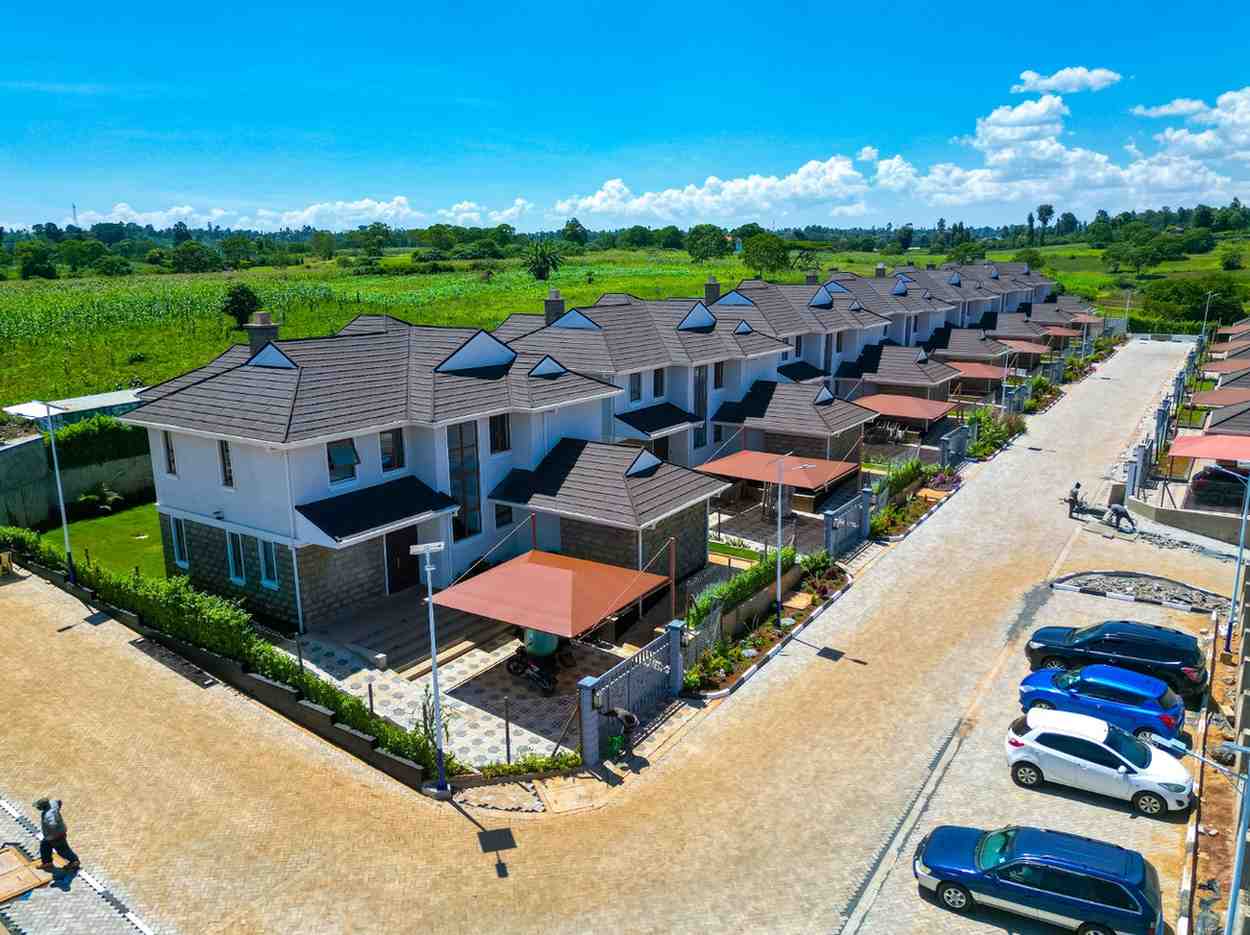
• Showcasing surroundings: Aerial views reveal the location of a property in relation to nearby landmarks, roads, or amenities.
• Capturing beauty: They highlight unique angles of a home or development that ground-level cameras might miss.
• Displaying scale: Wide shots can showcase the entirety of a project, giving potential buyers a sense of its size and layout.
However, one must also proceed with caution. Drone lenses are designed for wide-angle capture, which can sometimes make a property appear smaller than it actually is. This is why real estate videographers carefully balance drone footage with ground-level shots to maintain accuracy while still telling a captivating story.
A Couple of Things to Observe When Taking Aerial/Drone Shots in Real Estate
To get the most professional and polished results from aerial cinematography, here are some important considerations:
- Parking spaces: Avoid parking at the intended property’s parking lot if you don’t want vehicles showing in the drone footage. An empty driveway or parking area often makes the property look more appealing.
- Stay out of the frame: If you don’t want to appear in the drone shots, position yourself on the opposite side of the drone’s path. Additionally, if neighboring properties are occupied, make sure to alert the neighbors about the recording to avoid misunderstandings.
- Clean the exterior: Ensure the property’s exterior is tidy before filming. Remove litter, clutter, or anything that might distract from the beauty of the home. A clean outdoor space always enhances the final footage.
- The Art of Balance
Drone footage is powerful, but overusing it can take away from the narrative. In real estate videography, the best results come from combining aerial perspectives with cinematic interior and exterior shots. The goal is not just to showcase a house but to highlight the lifestyle and environment surrounding it.
As technology evolves, drone cinematography will continue to be a game-changer in real estate marketing. When handled by skilled professionals, it transforms an ordinary property video into an immersive experience that resonates with buyers.
We are a professional real estate videography service in Kenya, specializing in 360° real estate content and media production. Our goal is to help realtors, developers, and agencies achieve their sales targets by creating engaging content that truly converts. From cinematic house tours and compelling reels to strong call-to-action videos and immersive virtual tours — we craft visuals that bring properties to life.
Contact us today and let’s bring your property to life.